Endodontia


What is Endodontics?
Endodontic treatment focuses on addressing infections within the tooth’s root canal system. It becomes necessary when complications from tooth decay (such as pulpitis or periodontitis) arise, following dental trauma, in preparation for prosthetics, or after previous unsuccessful root canal treatments.
The goal of endodontic treatment is to eliminate and prevent existing areas of inflammation in the periodontal tissues, which is one of the most common causes of tooth loss. During the treatment process, the infected material is carefully removed from the root canals using mechanical instruments and effective antiseptic irrigation solutions. The root is then prepared for filling. In the second stage of treatment, the root canals are filled in a three-dimensional manner using materials tailored to each tooth, such as gutta-percha or MTA.
Teeth that have undergone endodontic treatment should be monitored with an X-ray 6 to 12 months after the procedure.
When is Endodontic Treatment Necessary?
Endodontic treatment is needed when inflammation develops in the tooth’s root canal system or periodontal tissues. The need for endodontics arises due to complications from cavities (such as pulpitis or periodontitis), dental injuries, preparation for prosthetics, or previously unsuccessful root canal treatments.
Signs that you may require endodontic treatment include severe pain in the evening or at night, prolonged sensitivity to cold, intense pain when biting, throbbing pain, swelling around a tooth, or discharge of pus. These symptoms should not be ignored and may indicate the need for professional care.
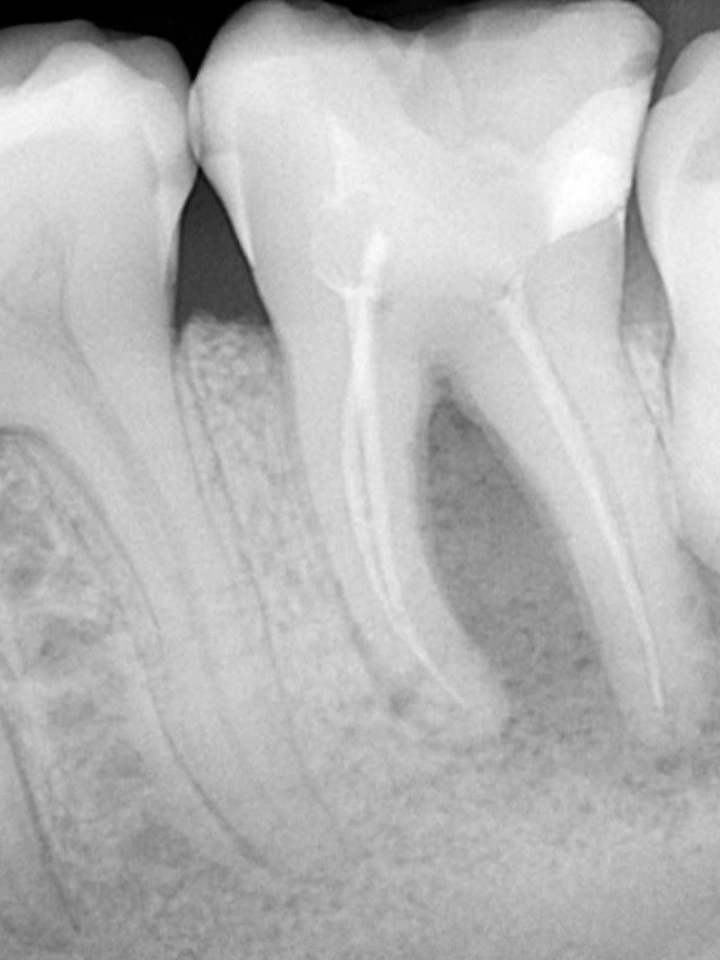
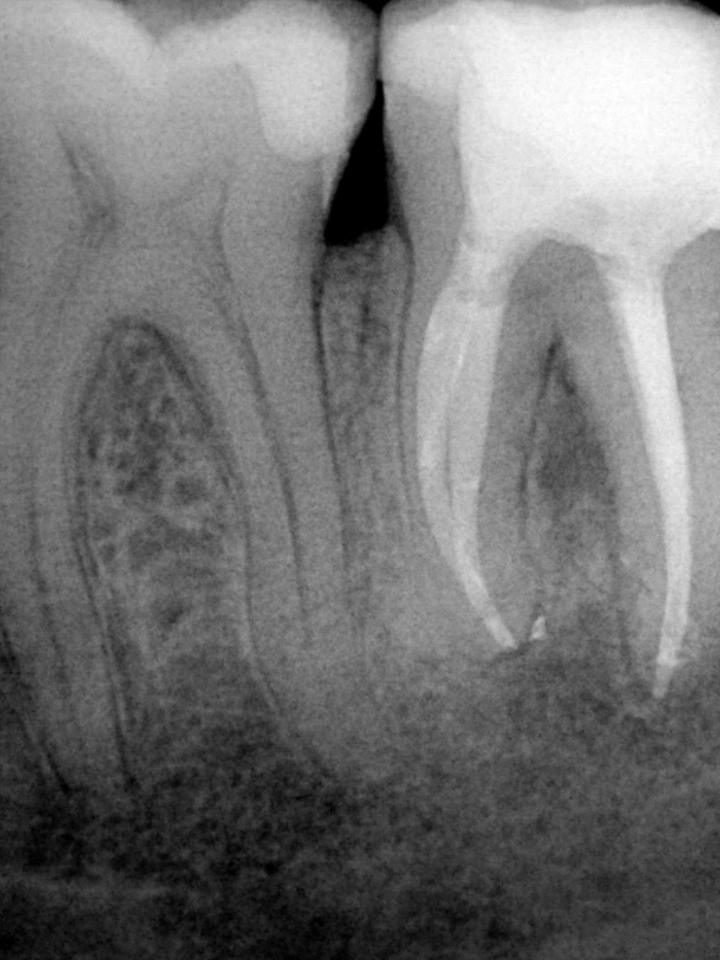

How does the treatment process work?
The endodontic procedure involves several key steps:
- Diagnosis – The specialist gathers your medical history and performs diagnostic tests, including X-rays. You will be informed about the treatment process and the prognosis for your tooth. The endodontist uses a microscope to ensure precision during treatment.
- Preparation – Local anaesthesia is applied to ensure the procedure is painless, and the tooth is isolated from the rest of the oral cavity for optimal protection.
- Access creation – The endodontist creates a small opening in the tooth to access the pulp and root canals.
- Pulp removal – Damaged or infected pulp is removed from inside the tooth. The endodontist carefully cleans the root canals to eliminate any signs of infection. In cases of retreatment, any existing filling is removed under the microscope's guidance.
- Shaping and disinfection of the canals – The root canals are shaped and disinfected using specialised tools and antibacterial solutions. This ensures that all bacteria are eradicated, preventing further infection.
- Filling the canals – After cleaning and shaping, the canals are filled with a special material (gutta-percha or MTA) to block bacteria from re-entering and causing new infections.
- Restoration of the tooth – Once the root canals are filled, the tooth is sealed with either a temporary or permanent filling. To fully restore the tooth, a durable restoration—such as a crown or filling—will be recommended based on the amount of remaining tooth structure.
Frequently Asked Questions About Endodontic Treatment
How long does an endodontic procedure take?
An endodontic procedure typically takes between 60 and 90 minutes, depending on the complexity of the tooth and the number of root canals. In more complex cases, or if the tooth has multiple roots, the procedure may take longer. At our dental clinic, our skilled endodontists always aim to provide thorough, high-quality treatment to preserve the tooth and ensure your comfort throughout the entire process.
Is the procedure painful?
Is Endodontic Treatment Effective?
What are the Costs of Endodontic Treatment?
The cost of endodontic treatment can vary depending on the complexity of the tooth, the number of root canals, and the materials used. Exact costs can be determined after a consultation and examination, during which our specialists will assess the condition of your tooth and the extent of treatment required.
For detailed information on costs and available options, we encourage you to contact our clinic.Our goal is to provide the best possible treatment at an affordable price.
What Happens if Endodontic Treatment is Not Performed?
If endodontic treatment is not carried out, inflammation or infection in the tooth pulp can spread and lead to serious complications, such as an abscess—a collection of pus at the root tip that can cause pain, swelling, and even bone loss around the affected tooth. In such cases, tooth extraction may be necessary, which can lead to additional issues like neighbouring teeth shifting and problems with chewing. That’s why it’s crucial to undergo endodontic treatment in time to save the tooth and avoid severe consequences.
How Should I Care for My Tooth After Endodontic Treatment?
After the procedure, the tooth may be slightly sensitive, so it’s recommended to avoid hard and sticky foods for the first few days. It’s important to follow your dentist’s instructions and take pain relief if necessary. To ensure the long-term health and functionality of the tooth, it is often advised to restore it with a sealed filling or crown after root canal treatment.
Regular oral hygiene practices, such as brushing twice daily and cleaning between the teeth with a SoloStick, are essential to maintaining the tooth’s health. Additionally, it’s important to attend regular dental check-ups and undergo preventive cleanings to avoid further issues.
Are There Any Limitations to Endodontic Treatment?
Yes, there are some limitations that may affect the ability to perform endodontic treatment. For example, if the tooth is severely damaged or the root is cracked, endodontic treatment may not be possible. Furthermore, if the tooth is not stable enough to be restored after the procedure, extraction may be necessary.
Our dentist will carefully evaluate your individual situation to determine whether endodontic treatment is suitable and will provide the best results.